Gorilla Trekking
in Rwanda
A complete guide to planning the most extraordinary wildlife encounter on Earth — written by the Rwandan operators who lead it every week.
A note from us
We're a Rwandan-owned tour operator based in Kigali. We don't outsource, and we don't believe in cookie-cutter itineraries. Every trip we design is built around your dates, your pace, and the version of Rwanda you want to see. If you have a question this guide doesn't answer, get in touch — a real planner will reply, usually within hours.
Why Rwanda is the world's most refined gorilla experience.
There are only three countries on Earth where you can trek mountain gorillas in the wild: Rwanda, Uganda, and the Democratic Republic of Congo. Of the three, Rwanda has quietly become the destination of choice for travellers who want the experience without the friction.
The numbers explain why. Rwanda's Volcanoes National Park is just 2.5 hours by road from Kigali International Airport — the same airport you fly into. There are no domestic flights to add, no border crossings to manage, no long bumpy drives. You can land in Kigali in the evening, sleep in a forest lodge by midnight, and be face-to-face with a silverback before lunch the next day.
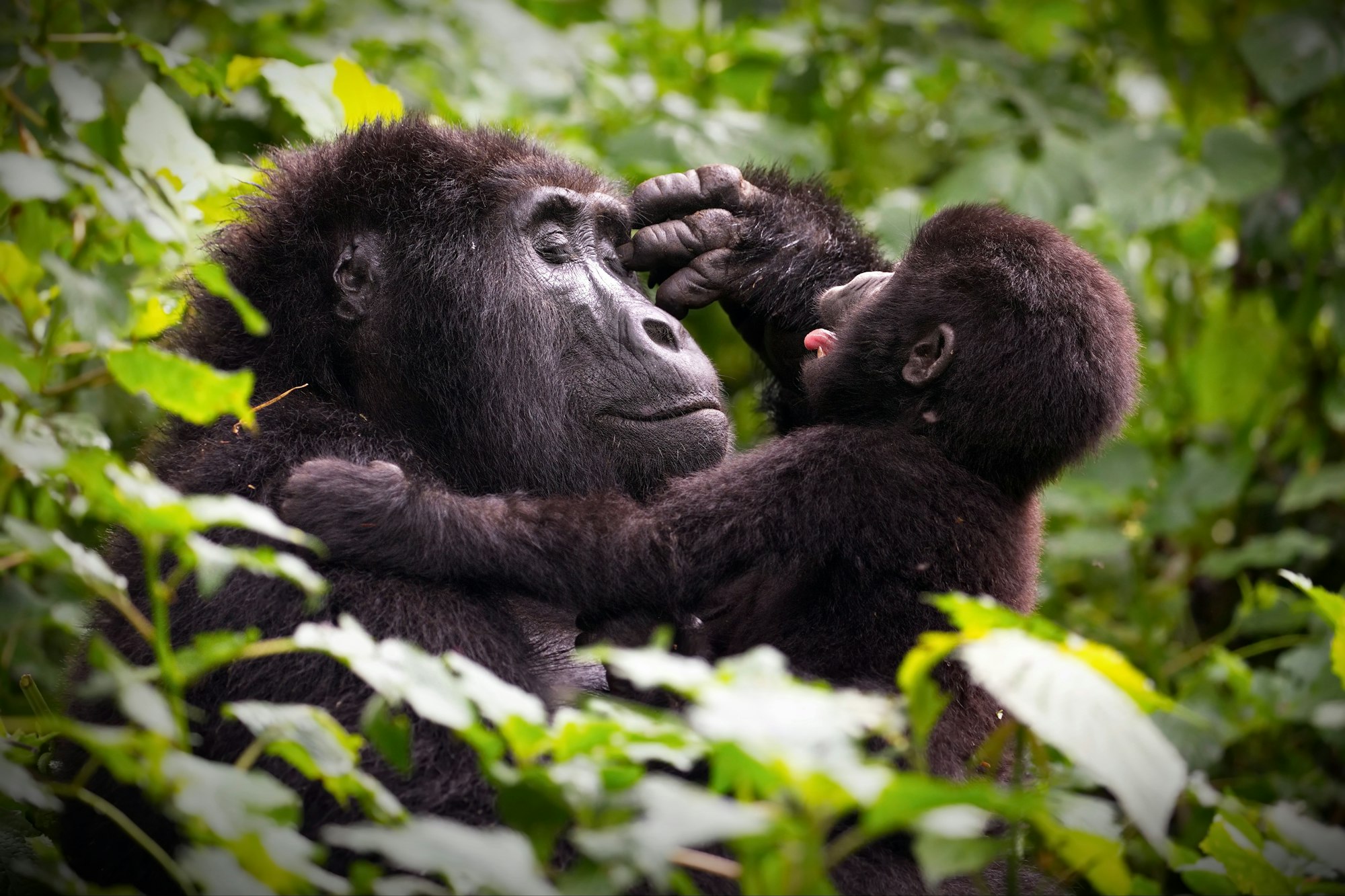
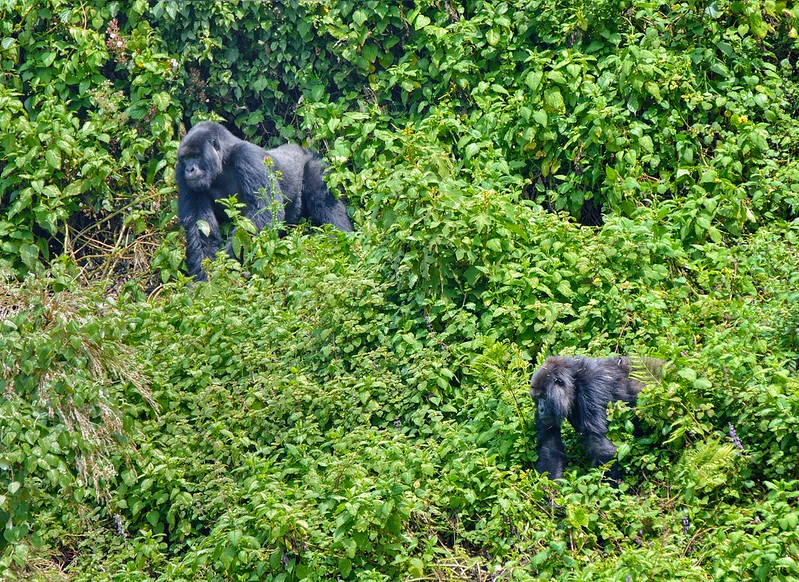
"You don't just see a gorilla. You sit with a family for an hour while life happens around you — silverbacks scratching, mothers nursing, juveniles tumbling over each other. The forest goes quiet, and then it doesn't."
What makes Rwanda different
- Premium positioning. Rwanda made a deliberate decision in 2017 to position itself as the premium gorilla destination — doubling permit prices to fund conservation. The result: smaller crowds, well-maintained trails, and revenue going back into ranger salaries and communities.
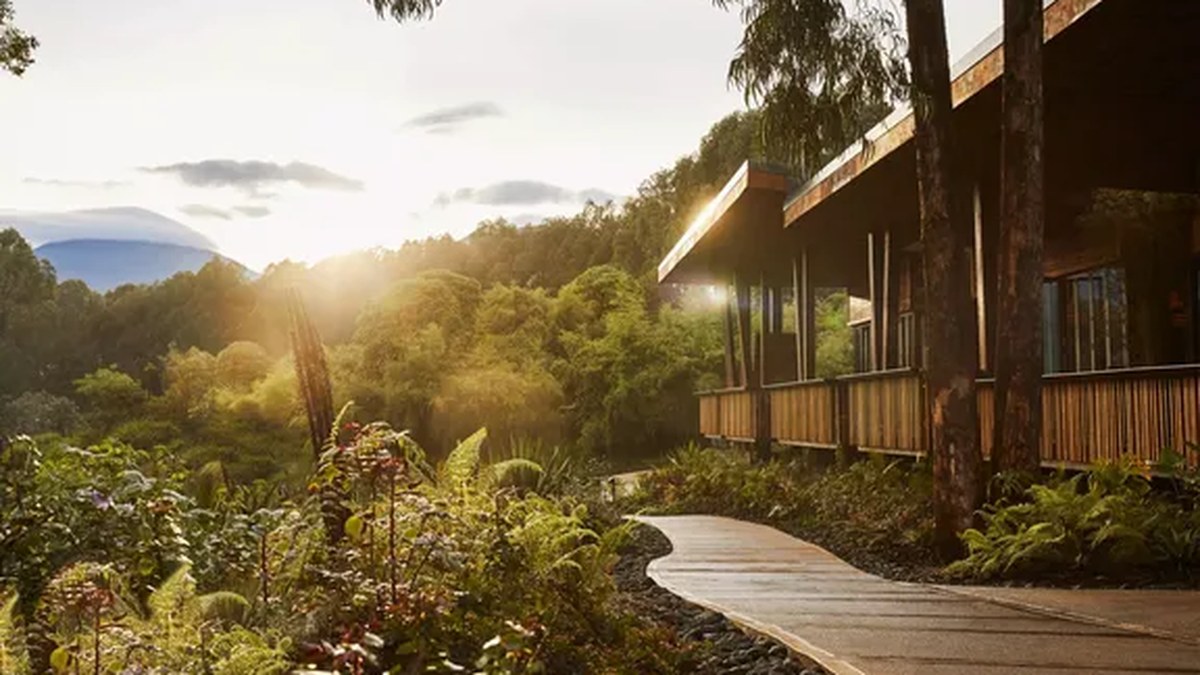
- World-class lodges. Some of Africa's most acclaimed safari lodges sit within an hour of the park gates — Singita Kwitonda, One&Only Gorilla's Nest, Bisate Lodge, Sabyinyo Silverback Lodge.
- Safety and ease. Rwanda is consistently ranked among Africa's safest countries to travel. Kigali is clean, modern, and tourist-friendly.
The real cost of gorilla trekking in Rwanda.
The most common question we get is also the most misunderstood. The "cost of gorilla trekking" depends on two layers: the permit (a fixed fee paid to the Rwandan government) and the trip around it (lodging, transport, guides, meals, additional activities). Here's exactly how it breaks down in 2026.
The Permit: $1,500 per person
Every visitor to a Rwandan gorilla family must hold a permit issued by the Rwanda Development Board (RDB), a government entity. As a licensed tour operator, Gorille Africain Tours assists our clients in securing these official permits as part of a complete safari package. We are not a government agency. The permit cost in 2026 is USD $1,500 per person, per trek. One permit allows one person to spend one hour with one habituated family on one specific date.
The 30% Conservation Discount
Travellers who book a permit between November and May AND combine their Rwanda trip with at least 3 nights at Nyungwe Forest or Akagera National Park are eligible for a 30% permit discount — bringing the cost down to $1,050 per person.
What a full Rwanda gorilla trip actually costs
For most international travellers planning a real, well-organised trip, here's what total trip cost looks like depending on your style. (Per person, twin share, international flights excluded).
| Trip Style | Duration | Est. Cost (Per Person) |
|---|---|---|
| Compact & Comfortable One trek, mid-range lodge | 3 days | $2,800 – $4,000 |
| Premium Gorillas + golden monkeys, upper-tier lodge | 5 days | $5,500 – $8,500 |
| Luxury Gorillas + Big Five (Akagera), top-tier lodges | 5-7 days | $8,500 – $14,000 |
| Ultra-Luxury Gorillas + chimps + Big Five, heli transfers, Bisate/Singita | 7-10 days | $15,000 – $30,000+ |
When to go: the best months for gorilla trekking.
The short answer is that you can trek gorillas in Rwanda year-round — the park never closes, and gorillas don't migrate. But the experience is meaningfully better in the dry seasons, when trails are firmer, visibility is clearer, and the forest is less of a slog.
Peak Season
June – September
The long dry season. Clear skies, drier trails, easier sightings. Lodges fill up 6-9 months in advance, especially August. Book early.
Short Dry Season
December – February
A quieter alternative with excellent trekking conditions and warm, sunny days. Mid-January to mid-February is one of our favourite windows.
Shoulder Seasons
Oct – Nov & March – May
The forest is at its most lush, permits are easier to secure, and you may qualify for the 30% permit discount. The trade-off is rain and muddy trails.
Volcanoes National Park & The 12 Families.
Volcanoes National Park covers 160 km² of forested volcanic slopes in the country's far northwest. The forest itself ranges from 2,400m at the park gate to over 4,500m at the volcano summits, which is why mornings are cool (8-12°C) and the air can feel thin for the first day or two.
The Habituated Families
The park holds roughly 350 mountain gorillas across about 20 family groups. Of those, 12 have been habituated and can be visited by tourists. Assignments happen at the 7am briefing based on your fitness and which families are accessible that day.
Susa A
Dian Fossey's original study group. ~28 members. Strenuous trek.
Sabyinyo
Led by Guhonda, a massive silverback. Easier access, lower elevation.
Amahoro
Means 'peace'. Known for calm temperament. Moderate trek.
Kwitonda
Migrated from DRC. Well-established in lower foothills. Moderate.
Hirwa
Known historically for having twin infants. Variable trek.
Karisimbi
High altitude. Often the toughest trek in the park. For fit hikers.
What a day on the trek actually looks like.
Fitness, age, and preparation.
Gorilla trekking is not a marathon — but it is a real hike at altitude on muddy, often steep terrain. Most reasonably active adults can do it. The key is being honest with us about your fitness so we can match you to the right family.
What's actually required
Minimum age is 15. No upper limit — we've had clients in their late seventies complete treks successfully.
Expect 30 minutes to 6+ hours of hiking (most treks are 2-4 hours), elevation between 2,500m and 3,500m, slopes from gentle to steep, mud, and dense vegetation.
If your fitness is limited
Tell us. Families like Sabyinyo, Kwitonda, and Amahoro are typically assigned to less mobile trekkers.
For mobility limitations, the park offers sedan chair service — porters carry you on a covered chair to the gorillas for $400 per person.
Health and vaccinations
Yellow fever vaccination certificate required for entry. Antimalarials recommended. Bring personal medications in original packaging.
If you have a cold or flu on trek day, rangers will ask you to stay back. Gorillas share 98% of human DNA and are vulnerable to our respiratory illnesses. Non-negotiable, and exists to protect them.
The complete packing list.
Pack thoughtfully — you're hiking in a wet tropical forest at altitude. Here's the list we send to every traveller we plan a trip for, refined over hundreds of treks.
For the Trek Day
- Sturdy waterproof hiking boots
- Long trousers (light, quick-dry)
- Waterproof rain jacket
- Gardening gloves (for nettles)
- Daypack with rain cover
- 2 litres of water
Leave at Home
- × Camouflage clothing (restricted)
- × Plastic bags (banned nationwide)
- × Drones (require special permit)
- × Flash photography equipment
Rwanda vs. Uganda: an honest comparison.
Many travellers ask whether they should trek in Rwanda or Uganda. Both are extraordinary. They suit different travellers, different timelines, and different budgets.
Rwanda
- Permit: $1,500 per person
- Drive: 2.5 hours from airport
- Difficulty: Moderate (more even terrain)
- Lodging: Mid-range to ultra-luxury
- Best for: Short trips, luxury, comfort, smooth logistics.
Uganda
- Permit: $800 per person
- Drive: 8-10 hours (or 1hr flight)
- Difficulty: Tougher (denser jungle, steeper)
- Lodging: Budget to luxury
- Best for: Longer trips, adventure, value, rugged feel.
What else to combine with gorillas.
A gorilla trek alone is a 3-day trip. But Rwanda's geography makes it easy — and worthwhile — to combine your trek with one or more of the country's other extraordinary experiences. Everything is reachable by road. No internal flights required.
Golden Monkey Trekking
Same park · $100 permit
An easier, lighter trek in Volcanoes NP to find playful troops of golden monkeys — endemic to the Virunga Massif.
Akagera National Park
3 hrs east · Big Five
Rwanda's only Big Five park. Lions, leopards, rhinos, elephants, buffalo. Boat safaris on Lake Ihema.
Nyungwe Forest
4 hrs south · Chimpanzees
East Africa's largest mountain rainforest. Chimpanzee tracking, canopy walkways, 13 primate species.
Lake Kivu
1 hr from park · Beach + boats
A genuinely beautiful inland lake on the Congo border. Perfect 1-2 day decompression after the trek.
Sample itineraries.
Every trip we plan is custom — built around your dates, party size, fitness, and interests. The itineraries below give you a sense of what shape a Rwanda trip can take.
3 Days · Gorilla & Golden Monkey
A short but extraordinary journey deep into Volcanoes National Park for the gorilla encounter.
5 Days · Best of Rwanda
A balanced 5-day journey that blends Rwanda's landscapes, culture, and wildlife.
7 Days · Ultimate Primate Adventure
The flagship primate trip — gorillas in Volcanoes, chimpanzees in Nyungwe.
Frequently Asked Questions.
Ready when you are.
Let's design the version of Rwanda that's right for you. Tell us your dates, party size, and what matters most. We'll send back a fully costed itinerary tailored to you.