
Rwanda
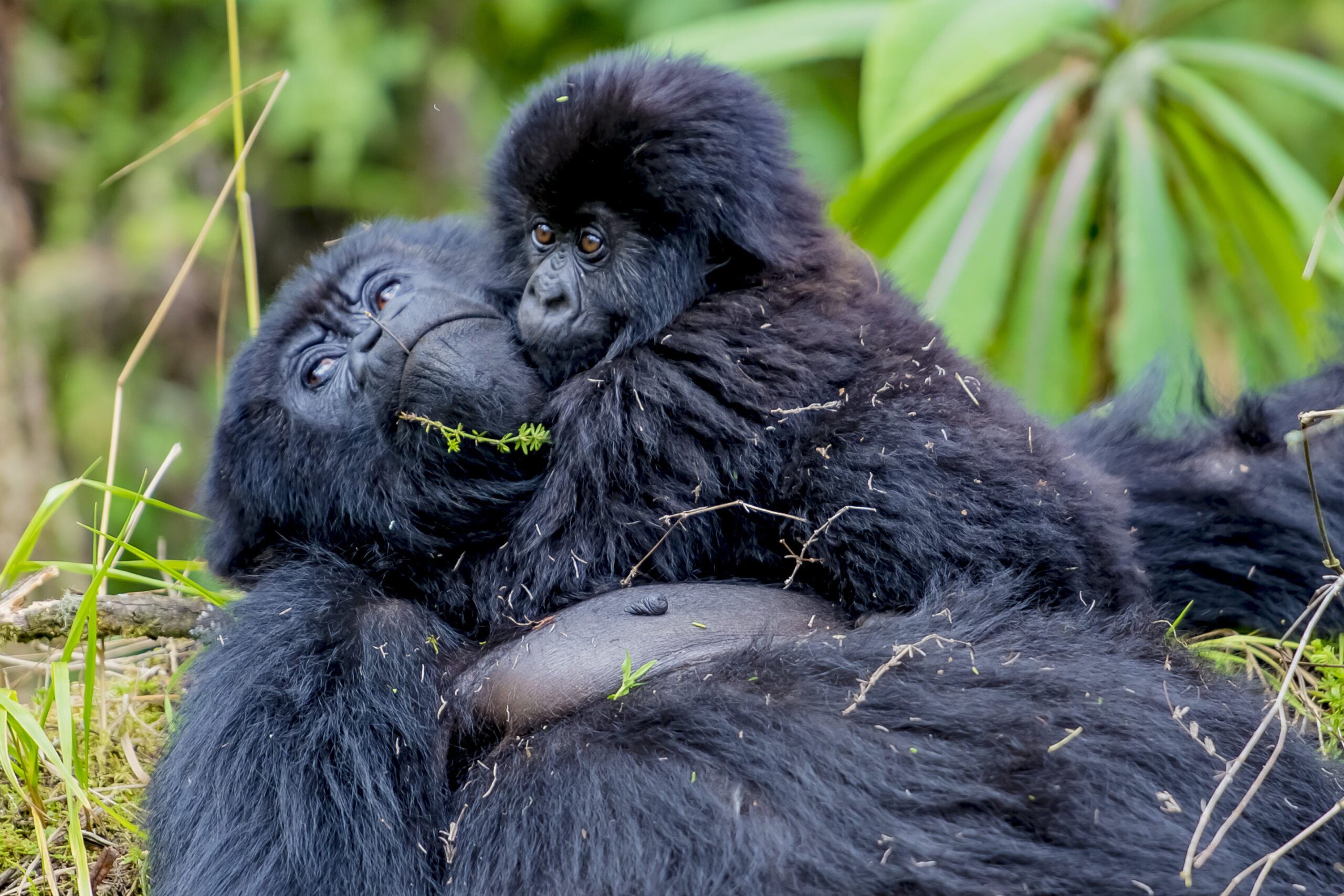
The Land of a Thousand Hills, home to the majestic mountain gorillas and vibrant culture.
Discover Rwanda
Rwanda offers one of the most poignant and exclusive wildlife experiences on Earth: coming face-to-face with the endangered mountain gorillas in Volcanoes National Park. Beyond the gorillas, this beautiful 'Land of a Thousand Hills' features pristine rainforests in Nyungwe, teeming with chimpanzees and rare birds, and the recovering savannahs of Akagera National Park. A luxury journey to Rwanda is transformative, combining world-class eco-lodges with profound cultural encounters and breathtaking landscapes.
Experience Highlights
- Gorilla Trekking in Volcanoes National Park
- Chimpanzee tracking in Nyungwe Forest
- Kigali Genocide Memorial
- Luxury eco-lodges
Sample Itineraries
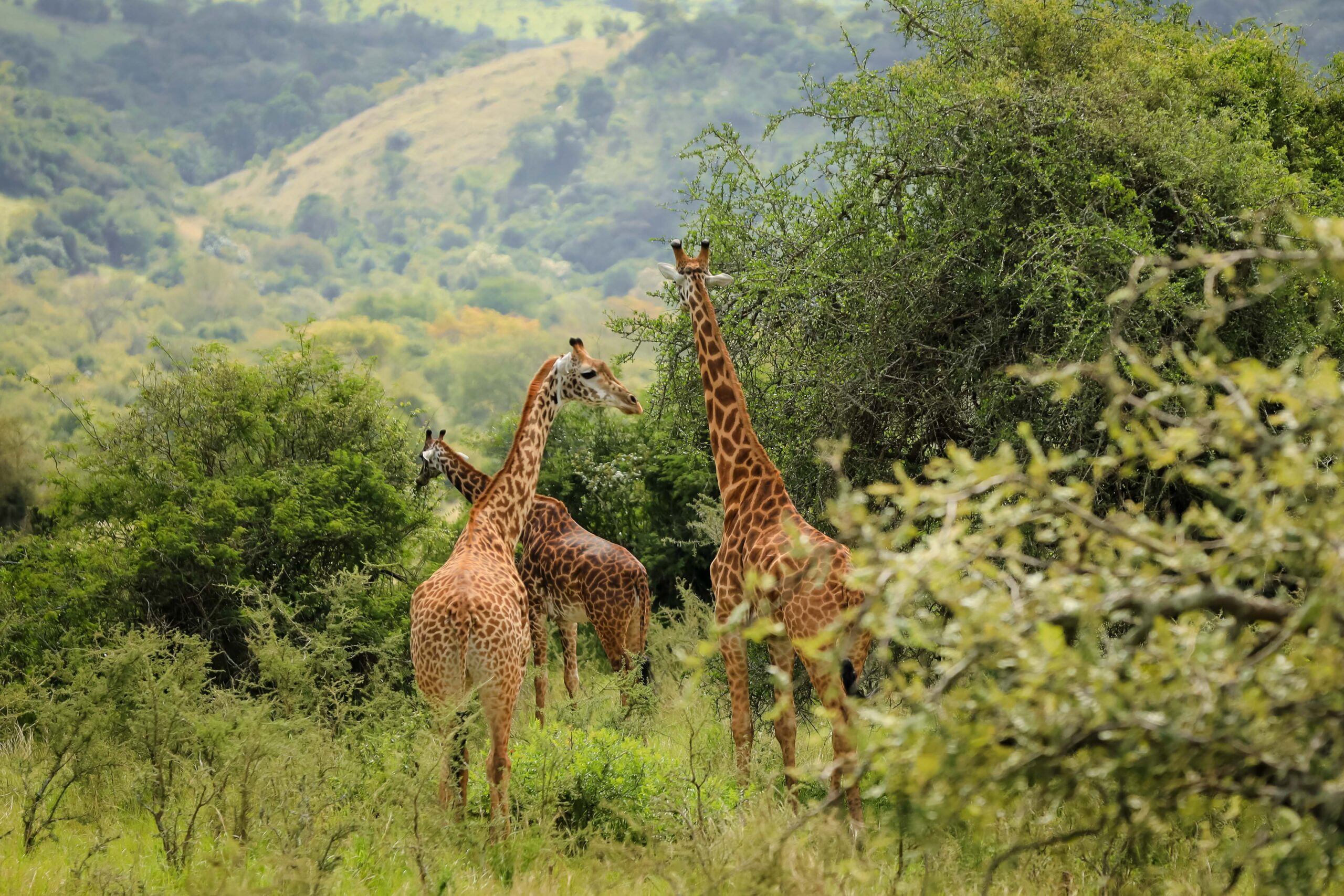
Rwanda Ultimate Wildlife and Mountain Gorilla Adventure
This exclusive six-day journey offers a refined and immersive exploration of Rwanda's landscapes, wildlife, and living culture. Experience Kigali, the Big Five in Akagera, and mountain gorillas in Volcanoes National Park.
View Journey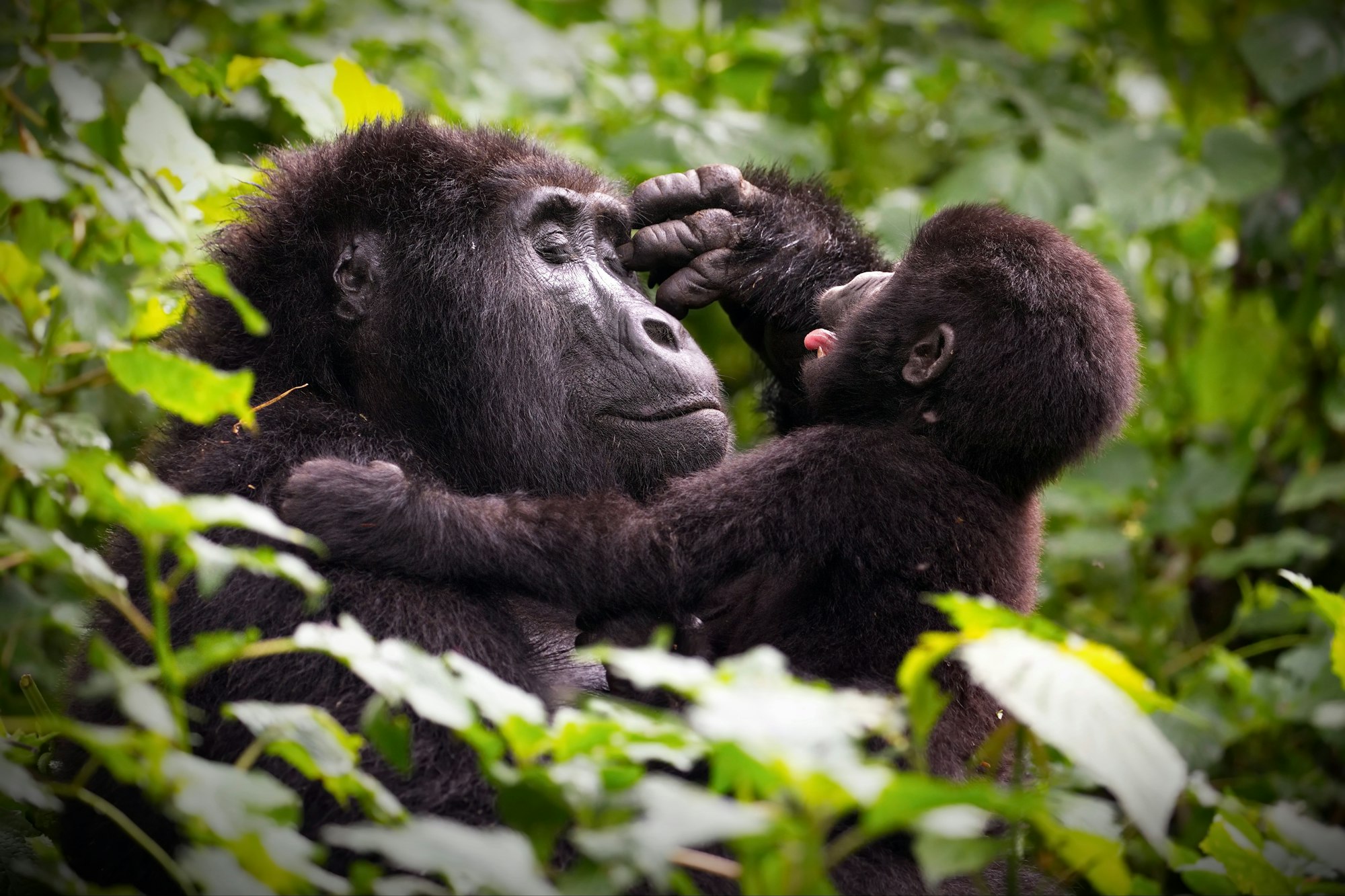
7 Days Rwanda Ultimate Primate Adventure
Experience the very best of Rwanda on this exclusive luxury safari combining extraordinary wildlife encounters, breathtaking scenery, and world-class hospitality. Journey by helicopter between Rwanda's iconic national parks.
View Journey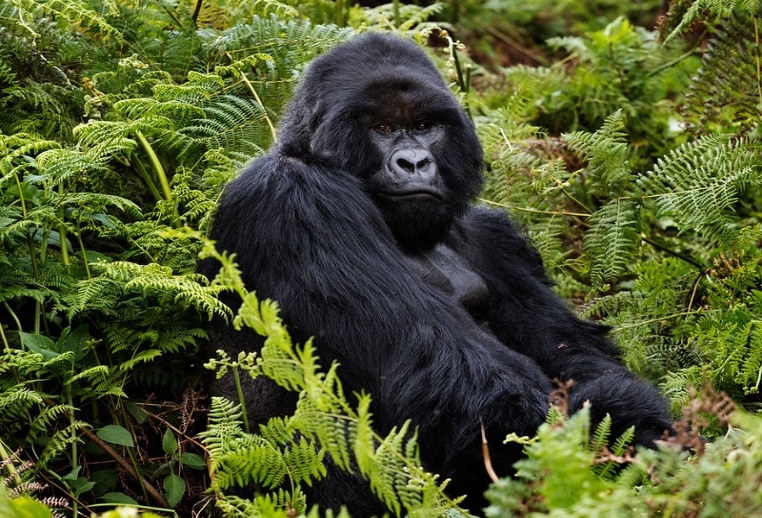
5 Day Best of Rwanda, Mountain Gorilla Tour
This 5-day safari blends Rwanda’s captivating landscapes, rich culture, and extraordinary wildlife encounters. Beginning in Kigali and culminating in Volcanoes National Park, it’s an elegant balance between exploration and relaxation.
View Journey3 Days Rwanda Mountain Gorilla and Golden monkey Adventure
This short yet extraordinary journey takes you deep into the misty slopes of Volcanoes National Park for a rare, face-to-face meeting with endangered mountain gorillas. Trek through ancient rainforest, stand just meters from a silverback, and witness the raw beauty of Rwanda’s wild landscapes. Combined with golden monkey tracking and authentic cultural experiences, this safari delivers one of Africa’s most powerful wildlife moments — in just three days.
View JourneyDiscover More About Rwanda
Welcome to Rwanda: The Land of a Thousand Hills Rwanda is a small yet captivating country in East Africa, celebrated for its rolling green hills, vibrant culture, and remarkable transformation. Whether you’re drawn by the rare opportunity to trek with mountain gorillas in Volcanoes National Park, explore the vast canopy of Nyungwe Forest, or relax on the shores of Lake Kivu, Rwanda offers a unique and enriching experience. The country is known for its exceptional cleanliness, safety, eco-tourism, and forward-thinking policies. It’s a destination where breathtaking landscapes meet warm hospitality and deep-rooted cultural pride.
Visa Requirements
All travelers to Rwanda require a visa, with the exception of citizens from visa-exempt countries. Fortunately, visa on arrival is available to nationals of all countries, making entry into Rwanda convenient and efficient. The standard tourist visa allows for a stay of 30 days and costs USD $50, payable in cash or by card at Kigali International Airport or land borders. Travelers may also choose to apply in advance via Rwanda’s online eVisa portal. For those planning to visit Kenya and Uganda as well, the East Africa Tourist Visa is available for USD $100 and allows multi-country entry for up to 90 days.
Health and Vaccination Requirements
Travelers entering Rwanda from countries with risk of yellow fever transmission must present a valid Yellow Fever vaccination certificate upon arrival. This requirement applies to all nationalities, including transits over 12 hours in affected countries. It is also highly recommended to consult your healthcare provider about vaccinations for Hepatitis A, Typhoid, Tetanus, and routine immunizations. Malaria is present throughout Rwanda, particularly in lower elevation areas, so travelers are advised to take antimalarial prophylaxis and use insect repellent containing DEET, especially at dawn and dusk. Comprehensive travel insurance covering medical emergencies is strongly advised.
Weather and Packing Tips
Rwanda’s climate is shaped by its elevation, resulting in a cooler and more temperate environment than its equatorial location would suggest. The country experiences two dry seasons (June to mid-September and December to February) and two rainy seasons (March to May and mid-September to November). Dry seasons are ideal for gorilla trekking and outdoor activities. Pack lightweight, breathable clothing, but don’t forget warmer layers for chilly mornings and evenings, especially in high-altitude areas. Neutral-colored clothing is best for safaris and trekking. Avoid camouflage and bright colors, which may be restricted or attract insects. A rain jacket and sturdy footwear are also essential.
Electricity and Connectivity
Rwanda uses 230V electricity at 50Hz, and plug types C and J are common. Travelers should bring a universal travel adapter to ensure compatibility with charging devices. While major towns and hotels generally have reliable electricity, power cuts can occur, particularly in rural areas. Carrying a power bank or portable charger is highly recommended. Internet connectivity is good in urban areas, with most hotels, cafés, and restaurants offering free Wi-Fi. For convenience and affordable mobile data, visitors can purchase local SIM cards (MTN or Airtel) at the airport or telecom shops using a valid passport.
Food and Water Safety
Rwandan cuisine is simple, fresh, and locally sourced. Common ingredients include plantains, beans, sweet potatoes, cassava, and grilled meats, with regional dishes like Isombe (cassava leaves with groundnut sauce) and Ugali (maize porridge). While food in hotels and quality restaurants is generally safe, street food should be approached with caution. Ensure hot food is served piping hot and avoid raw or undercooked meats. Tap water is not safe for drinking, so stick to bottled or filtered water and avoid ice unless you’re sure it’s made from treated water. Bottled water is widely available throughout the country.
Currency and Exchange
Rwanda’s official currency is the Rwandan Franc (RWF). Foreign currencies such as US Dollars or Euros are accepted in some high-end establishments, but the vast majority of transactions require local currency. ATMs are accessible in major towns and cities, but may be limited in rural areas. It’s advisable to carry cash when traveling outside Kigali. Currency exchange is available at the airport, banks, and exchange bureaus. Always use authorized institutions to avoid counterfeit bills. Credit card usage is growing, but many places—especially smaller shops and guesthouses—still prefer cash payments.
Card Payments and Mobile Money
Visa and MasterCard are accepted at many hotels, restaurants, and shops, particularly in Kigali and major tourist centers. However, travelers should be prepared for limited card acceptance in rural areas, national parks, and small businesses. Mobile payment systems like MTN Mobile Money are popular with locals, though typically not used by short-term visitors. American Express and Diners Club cards are rarely accepted. Always notify your bank of your travel dates to avoid transaction blocks, and carry a mix of cash and card options to ensure flexibility during your stay.
Tipping in Rwanda
Tipping in Rwanda is not mandatory, but it is appreciated for good service. In restaurants, a 5–10% tip is customary if service is not already included in the bill. For hotel staff, porters, drivers, and guides, small cash tips in Rwandan Francs or USD are a kind gesture. For gorilla trekking and national park experiences, tips are often shared among guides, trackers, and porters—amounts of $10–$20 per person are considered generous. Always give tips directly and discretely. It's a small act of appreciation that goes a long way in supporting local livelihoods.
Safety and Emergency Services
Rwanda is one of Africa’s safest countries for tourists, with a strong emphasis on community policing and public order. Petty crime is rare, and violent crime is extremely uncommon. Nevertheless, travelers should exercise basic precautions: avoid walking alone late at night, secure valuables, and be vigilant in crowded public spaces. Emergency services can be reached by dialing 112 for police, ambulance, or fire. It’s recommended to carry a list of local emergency contacts, as well as your embassy or consulate’s information. Travelers should also stay updated with local news or any official announcements.
Cultural Etiquette and Respect
Rwanda places a high value on respect, cleanliness, and community responsibility. Dress modestly, especially in rural areas or when visiting memorial sites, religious spaces, or government buildings. Greeting people with a handshake and a smile is customary. Avoid loud or overly animated behavior in public spaces. Discussions around politics, ethnicity, or the 1994 genocide should be approached with sensitivity and only when appropriate. If you visit the Kigali Genocide Memorial, dress respectfully and maintain a solemn tone. Learning a few basic words in Kinyarwanda is highly appreciated.
Common Kinyarwanda Phrases
- Hello: Muraho
- Thank you: Murakoze
- Goodbye: Murabeho
- Yes / No: Yego / Oya
- Please: Nyabuneka
Travel Documents and Entry Essentials
All travelers must carry a passport valid for at least six months beyond their intended stay in Rwanda. Keep copies of key documents including your visa, passport, travel insurance, and any vaccination certificates in both physical and digital formats. Travelers should also have printed confirmations of hotel bookings and return/onward travel details, which may be requested at immigration. A local SIM card can make navigation and communication much easier, especially for accessing mobile apps, digital maps, and language translation tools.
Essential Packing List
- Sunscreen and lip balm
- Insect repellent with DEET
- Lightweight, breathable clothing
- Long-sleeved shirts and trousers for forest areas
- Waterproof jacket or poncho
- Comfortable hiking shoes or boots
- Daypack and reusable water bottle
- Camera, binoculars, and spare batteries
- Personal hygiene items and hand sanitizer
- Quick-dry towel and basic first aid kit
COVID-19 Guidelines (as of 2025)
As of 2025, Rwanda has lifted all COVID-19 entry restrictions. Travelers are not required to present a negative PCR test or proof of vaccination to enter the country. However, face masks may still be required in healthcare facilities or during specific activities. Travelers showing COVID-19 symptoms may be tested or advised to isolate at their own expense. It is recommended to carry digital or printed proof of vaccination, in case it is required by airlines or accommodation providers. For the most current information, consult the Rwanda Biomedical Centre at www.rbc.gov.rw.
At a Glance
June to September and December to February
Ready to plan your journey?
Inquire NowBegin Your Rwanda Adventure
Our safari experts are ready to craft a bespoke itinerary tailored to your exact preferences and desires.