World Gorilla Day 2026: Why Rwanda's Mountain Gorillas Are a Conservation Success Story
On September 24, the world marked World Gorilla Day — an annual moment to pause and recognise one of our closest living relatives and the people who protect them. Just days later, as Rwanda's gorilla trekking season settles into its rhythm, there is real cause for reflection. The mountain gorilla is no longer a story of inevitable decline. In the Virunga Massif, it is a story of patient, determined recovery — and Rwanda sits at the heart of it.
What World Gorilla Day Means
World Gorilla Day, observed each year on September 24, is an international occasion to celebrate gorillas and to encourage action for their conservation. It draws attention to the work of rangers, researchers, veterinarians and communities who safeguard the remaining gorilla populations across Africa.
The day also honours the legacy of Dian Fossey, the primatologist who devoted nearly two decades to studying and defending the mountain gorillas of the Virunga volcanoes. Her Karisoke Research Center, founded in 1967, laid the foundations for the monitoring and protection work that continues in Rwanda today — now carried forward by the Dian Fossey Gorilla Fund from its Ellen DeGeneres Campus near Volcanoes National Park.
A Population That Is Genuinely Growing
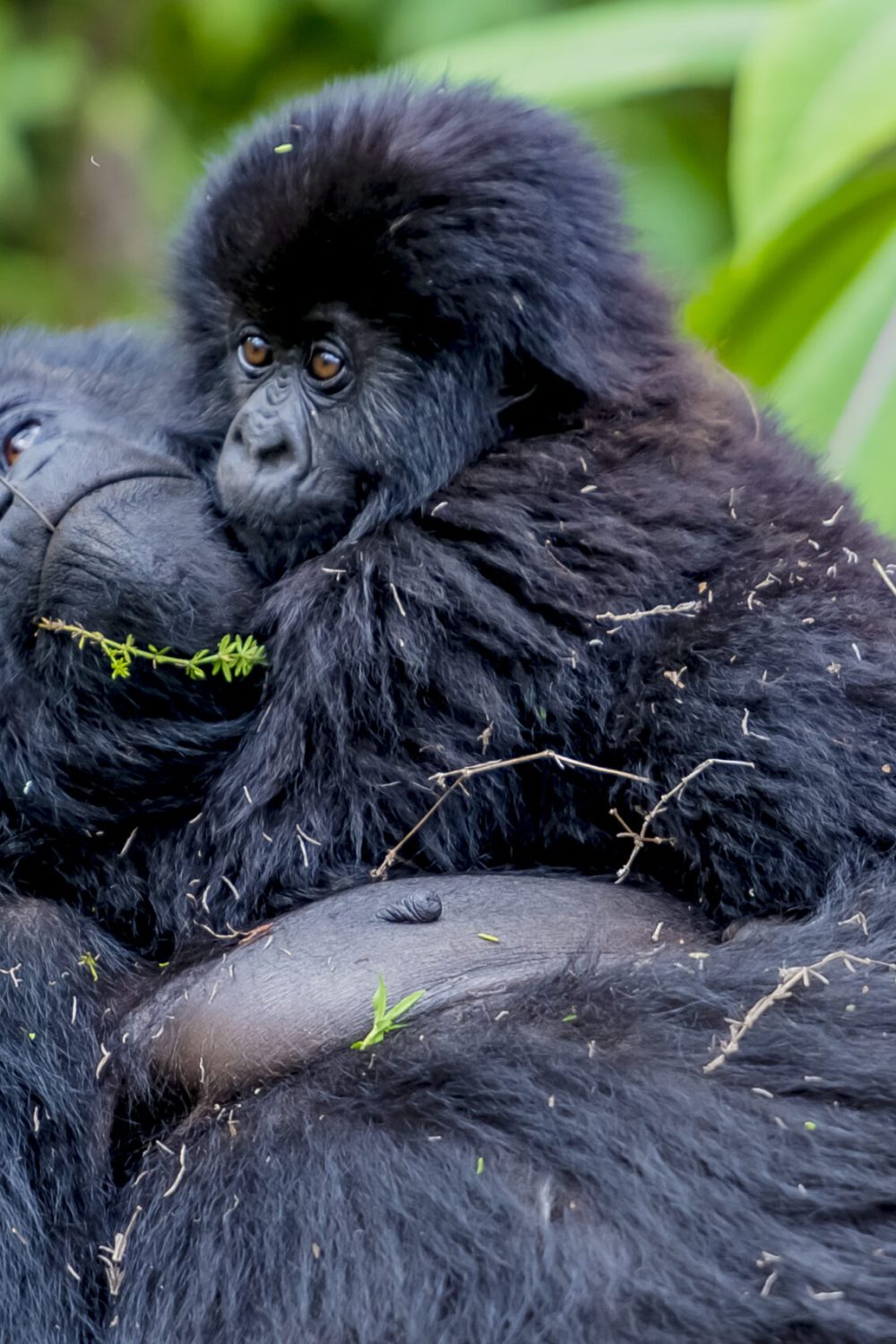
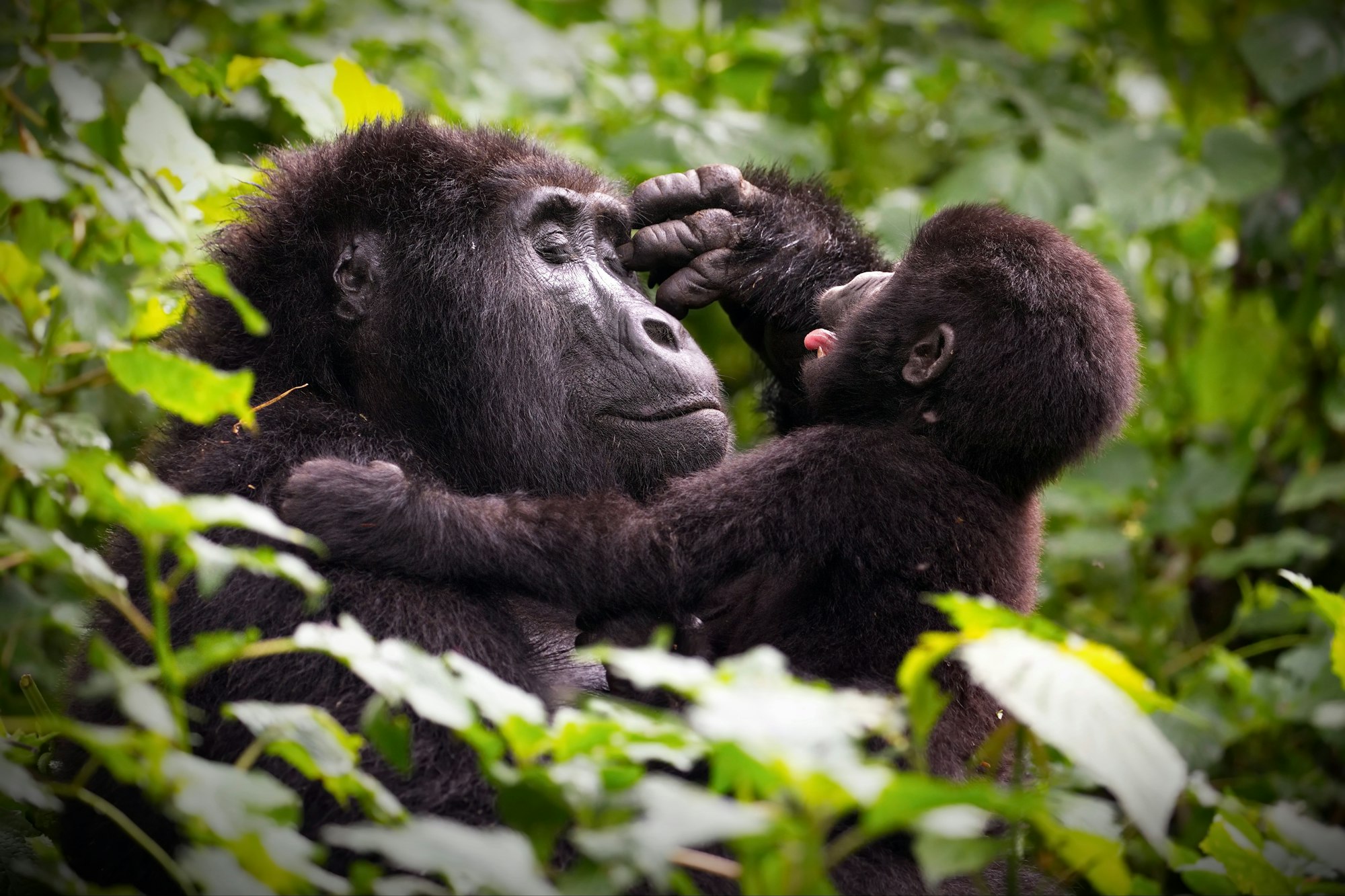
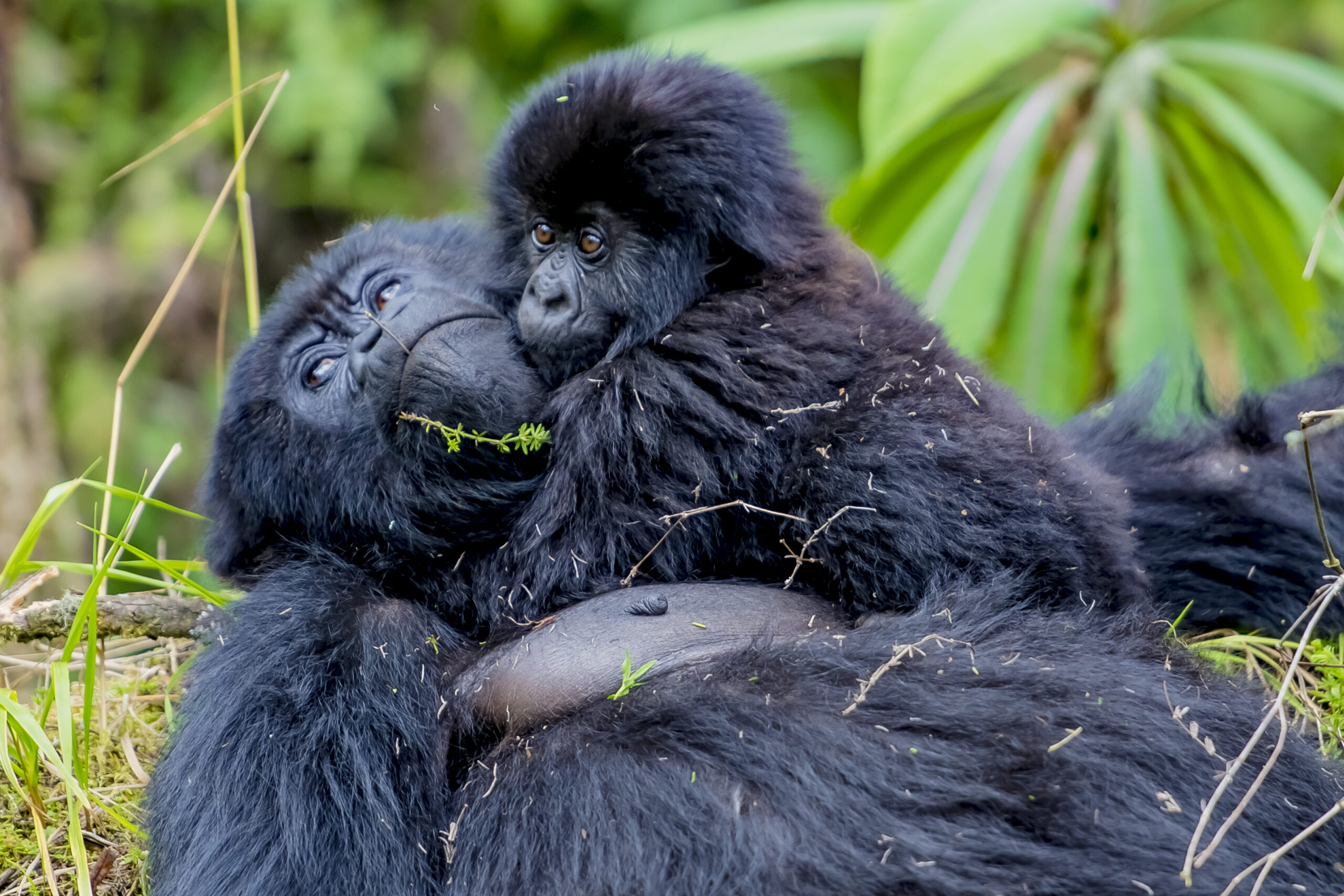
Few great ape species are increasing in number. The mountain gorilla is the exception. In the 1980s, the Virunga population had fallen to roughly 240 individuals. Through sustained, day-to-day protection, that number rose — to 480 in 2010 and 604 by 2016 in the Virunga Massif alone. Combined with the Bwindi-Sarambwe population across the border, the total mountain gorilla count surpassed 1,000, prompting the IUCN to reclassify the subspecies from Critically Endangered to Endangered.
More recent monitoring efforts have continued to confirm this upward trend. The recovery is not accidental. It is the result of what conservationists call "extreme conservation" — daily tracking of gorilla families, veterinary intervention, anti-poaching patrols and the steady involvement of communities living alongside the park.
Why Rwanda's Model Matters
Rwanda's approach to gorilla tourism is deliberate. The country has chosen a high-value, low-volume model, limiting visits to a maximum of eight trekkers per gorilla family per day and setting the permit fee at USD $1,500 per person. The reasoning is clear: the income must outpace the alternative value of the land, and the encounter must remain intimate rather than industrial.
A meaningful share of permit revenue is returned to communities bordering Volcanoes National Park, funding schools, water access and small enterprises. This direct link between conservation and local livelihoods is part of why communities now see live gorillas as more valuable than any alternative use of the forest. It is also why trekking in Rwanda feels different — calmer, better managed, and rooted in a place that has chosen to protect what it has.
How Responsible Trekking Helps
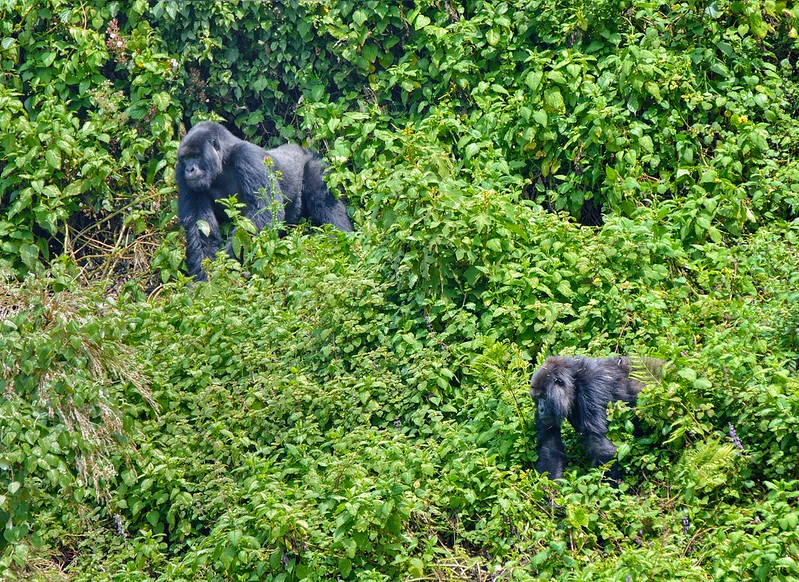
Every properly managed gorilla trek contributes to the survival of the species. The permit fee funds ranger salaries, anti-poaching patrols and gorilla veterinary care. Strict rules — a 10-metre viewing distance, no flash photography, and staying home if you have a cold — exist to protect gorillas from human respiratory illness, to which they are highly susceptible given our shared genetics.
At Gorille Africain Tours, we plan gorilla trekking journeys that follow every one of these protocols. We secure permits on your behalf, match you to a gorilla family suited to your fitness level, and brief you thoroughly before you enter the forest. The aim is an encounter that is as meaningful for the gorillas' future as it is for the traveller standing in front of them.
Where the Story Continues
The Ellen DeGeneres Campus of the Dian Fossey Gorilla Fund, opened near the park, offers visitors a deeper understanding of this work through interactive exhibits and research displays. It is a fitting companion to a gorilla trek — a place to see the science behind the recovery you have just witnessed on the mountain.
World Gorilla Day may fall on a single date each September, but the effort it recognises is daily, year-round and quietly remarkable. The mountain gorillas of Rwanda are living proof that conservation, when it is consistent and community-rooted, can reverse decline.
We plan gorilla trekking journeys in Rwanda that contribute directly to this conservation success. Speak with a Kigali-based planner to design your own trek around the gorilla families of Volcanoes National Park.
Tags
Ready for your own adventure?
Let our experts craft a tailor-made luxury safari perfectly suited to your desires.
Plan Your Journey